
Blog1
Why a Vacuum Breaker Is Not Optional on Rooftop FRP Vessels
If you’ve ever seen a fiberglass (FRP) softener or filter vessel that looks like someone stepped on a soda can, you’re not looking at a manufacturing defect. You’re looking at vacuum collapse — and in many cases, the cause is the same: the vacuum breaker was not installed.
We recently attended a site where exactly this had happened. The system was installed on the rooftop, making access and replacement extremely difficult. The softener vessel had partially collapsed inward, with the FRP shell visibly wrinkled and permanently deformed. After replacing the vessel and installing the factory-supplied vacuum breaker correctly, the system was restored to safe operation.
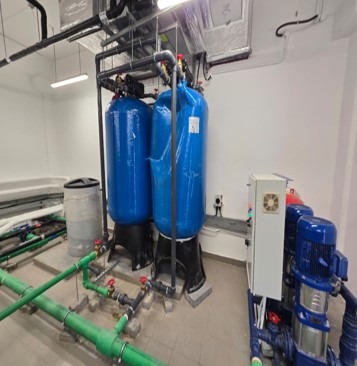
Damaged vessel before replacement
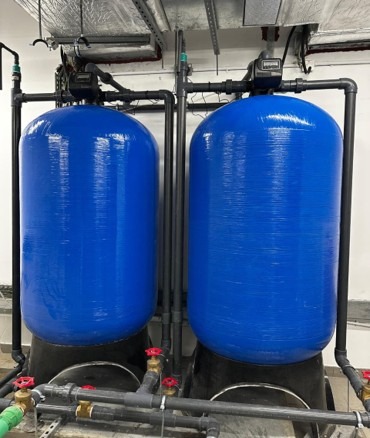
Vessel installed with breaker
What a Vacuum Breaker Actually Does
FRP vessels are designed to withstand internal positive pressure. They are not designed to withstand vacuum (negative pressure). During backwash, fast draini021012.ng, pump shutdown or siphoning, water can leave the vessel faster than air can enter. Atmospheric pressure then crushes the vessel inward. A vacuum breaker automatically opens whenever negative pressure develops, allowing air into the vessel and preventing collapse.
Why This Small Component Matters
The vacuum breaker is inexpensive, requires virtually no maintenance, and is often supplied with the vessel by the manufacturer. Yet it is one of the most overlooked components during installation. Skipping it may save only a few minutes during installation, but can lead to thousands of dollars in repair costs.
A Mistake That Can Void Warranty
Leading FRP vessel manufacturers such as Pentair Structural, Clack, Wave Cyber, Noyi and others provide installation instructions regarding vacuum protection. Where vacuum conditions are possible, failure to install the recommended vacuum breaker may affect warranty coverage. Always follow the manufacturer’s installation manual.
It's Never Just the Vessel
A collapsed vessel can damage the distributor, riser tube, control valve, pipework, resin bed and support structure. For rooftop installations, replacement becomes even more expensive because of lifting equipment, labour, downtime and restricted access.
Lessons From This Project
The original installation omitted a simple protective device that was already supplied with the vessel. After reinstalling the system with the vacuum breaker, the softener now operates as intended with protection against vacuum conditions.
Final Advice
If your commercial water softener or multimedia filter uses FRP vessels, inspect the installation today. Confirm that every vessel requiring vacuum protection has a correctly installed vacuum breaker. Spending a few minutes now can prevent major failures, unexpected shutdowns and costly replacements later.